Acupuncture & Manual Therapy for Muscle Spasms: A Comprehensive Guide
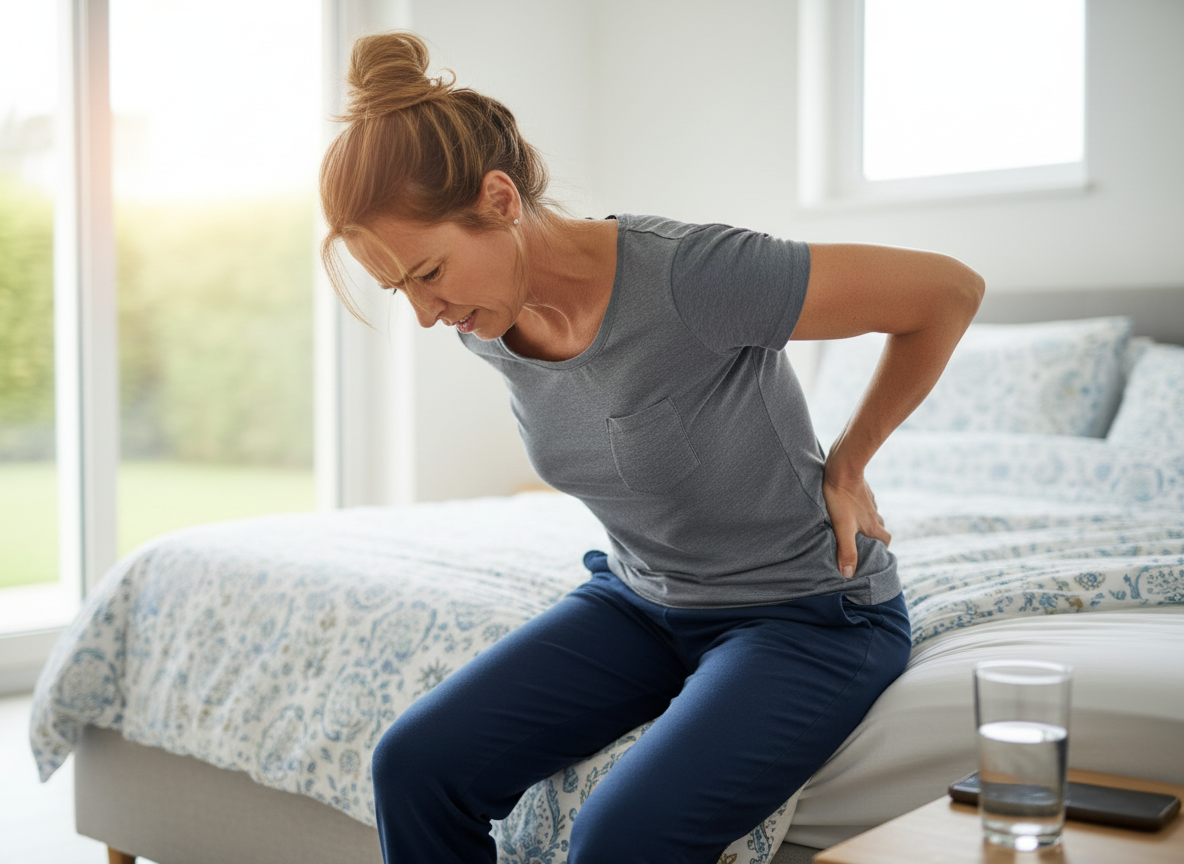
Muscle spasms. If you’ve ever had one, you know how it can take your breath away. Those sudden, involuntary contractions that can be painful, restrictive, and frustrating, affect people of all ages and activity levels. Whether they come from stress, overuse, poor posture, or injury, the underlying problem is often the same: the muscle fibers tighten and refuse to release.
Acupuncture and manual therapy offer effective, natural approaches to relieving spasms by addressing both the symptoms and their root causes.
Below is a deeper look into how different acupuncture techniques and hands-on therapies work to calm the nervous system, reset muscle tension, and promote long-term healing.
WHY MUSCLE SPASMS HAPPEN
Muscle spasms occur when the muscle contracts involuntarily and cannot relax. Common causes include:
Overuse or repetitive movements
Poor posture or ergonomics
Dehydration or electrolyte imbalance
Stress-induced tension patterns
Acute injuries such as strains or sprains
Chronic conditions like sciatica, disc issues, or fibromyalgia
When the nervous system becomes overstimulated or when muscle tissue becomes ischemic (restricted in blood flow), the fibers tighten and lock. Acupuncture and manual therapy work by restoring circulation, releasing trigger points, and calming neuromuscular hyperactivity.
ACUPUNCTURE TECHNIQUES FOR MUSCLE SPASM RELIEF
1. Traditional Acupuncture
This technique uses thin needles inserted into specific acupoints to regulate Qi (energy), blood flow, and nervous system signaling.
For muscle spasms, points along the affected muscle, known as “ashi” points and related meridians help reduce hypertonicity (excess tension), improve circulation, and relieve pain.
How it works:
Modulates the nervous system to reduce overfiring of motor neurons
Increases blood flow to tight muscle fibers
Releases endogenous opioids for natural pain relief
2. Electro-Acupuncture
Electro-acupuncture is particularly effective for stubborn or chronic muscle spasms. Gentle electrical pulses pass between pairs of needles, providing continuous stimulation.
Benefits:
Reduces muscle hyperactivity
Increases microcirculation
Encourages neuromuscular re-education
Helpful for spasms associated with sciatica, low back pain, or athletic injuries
3. Trigger Point (Dry Needling) Acupuncture
Acupuncturists often use trigger point release techniques to target tight bands within the muscle.
When the needle hits the taut band, a “local twitch response” occurs—an involuntary release that helps the muscle reset. Know your acupuncturist, as this technique is not suitable for everyone. See a Licensed Acupuncturist (L.Ac) for this.
Often used for:
Deep knots
Neck and shoulder spasms
Piriformis syndrome
IT band tightness
Any tight muscle band
4. Distal Needling Techniques
Sometimes the most effective points are nowhere near the spasm. Systems such as Tan or Tung style acupuncture target distal points to quickly calm pain pathways and release tension.
Benefits:
Allows treatment without aggravating a very sensitive area
Regulates whole-body circulation
Effective for acute pain relief
MANUAL THERAPY TECHNIQUES THAT ENHANCE RESULTS
Acupuncturists often combine needling with hands-on bodywork to maximize results.
1. Tui Na (Chinese Medical Massage)
Involves kneading, rolling, and pressing techniques to relax muscle fibers and improve circulation.
2. Myofascial Release
This slow, sustained pressure technique helps release restrictions in fascia—the connective tissue surrounding muscles.
3. Cupping Therapy
Creates suction to lift muscle and fascia, improving blood flow and reducing adhesions. Particularly effective for upper back, neck, and shoulder spasms.
4. Gua Sha (Scraping)
Promotes circulation and releases stagnation. Often used to treat stubborn, chronic tension patterns.
5. Shiatsu (finger pressure)
Uses hands-on touch, stretches, and limb rotations to balance the body's energy flow. This one is close to my heart as I was a shiatsu practitioner in NYC and CT for several years.
6. Stretching & Mobility Therapy
Gentle stretching after acupuncture helps reinforce neuromuscular reset and prevents spasms from returning.
SCIENTIFIC SUPPORT FOR ACUPUNCTURE IN MUSCLE SPASM TREATMENT
Modern research supports acupuncture’s effectiveness for neuromuscular disorders:
Muscle Relaxation and Nervous System Regulation
Studies show acupuncture reduces motor neuron excitability, which directly decreases muscle spasm intensity.
Increased Blood Flow
Research in The Journal of Applied Physiology demonstrates that acupuncture increases local microcirculation—essential for breaking the spasm-ischemia cycle.
Pain Reduction Through Neurochemical Release
Acupuncture stimulates the release of endorphins, enkephalins, and other natural analgesics, improving muscle relaxation and overall comfort.
Electro-Acupuncture for Spasm and Chronic Pain
A meta-analysis published in PAIN found electro-acupuncture highly effective for musculoskeletal pain, including muscle spasms and nerve-related dysfunction.
Trigger Point Needling Evidence
Studies show that dry needling and trigger point acupuncture can produce immediate and long-term reduction in muscle tone and pain.
Muscle spasms can interfere with daily life, athletic performance, and overall comfort, but they don’t have to be a chronic issue. Acupuncture, electro-acupuncture, and manual therapies offer a powerful, natural approach to releasing tension, restoring function, and preventing future flare-ups.
By calming the nervous system, improving circulation, and addressing underlying imbalances, these time-tested techniques create both immediate relief and long-term change. Always seek a Licensed Acupuncturist (L.Ac) to ensure the best quality treatment as we have 3500 hours of needling technique and hands-on training!