To Stretch or Not to Stretch: An Acupuncturist’s Point of View
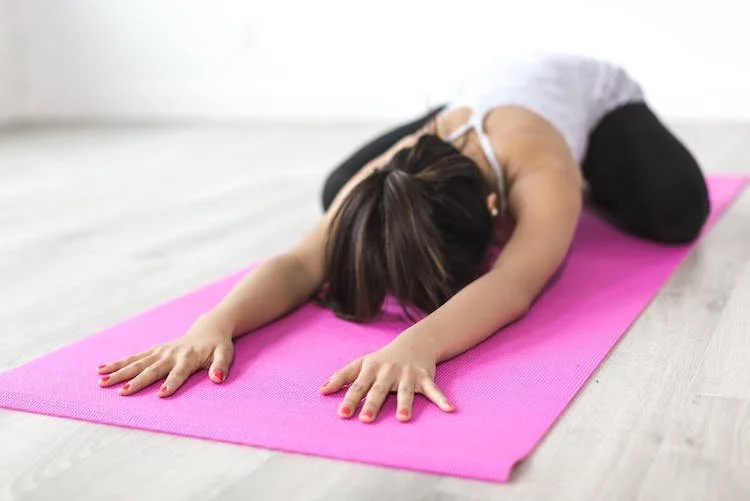
Photo by Burst from Pexels
Stretching has long been promoted as a cornerstone of injury prevention, flexibility, and recovery. From pre-workout routines to rehabilitation programs, it is often seen as essential for maintaining healthy muscles and joints. Yet many people continue to experience tightness, strain, and recurrent injuries despite diligent stretching. From an acupuncturist’s perspective, the question is not simply whether you should stretch, but when, how, and why stretching is beneficial — and when the body needs a different approach.
In Acupuncture, muscles and tendons are nourished by the smooth flow of Qi and Blood through the meridians, motor points and trigger points. When circulation is restricted due to trauma, overuse, stress, or internal imbalance, tissues may feel tight, painful, or weak. Stretching alone cannot resolve these underlying patterns; however, when applied appropriately and combined with acupuncture, it can support lasting mobility and recovery.
WHY MUSCLES FEEL TIGHT IN THE FIRST PLACE
Muscle tightness is not always caused by shortened tissue. In many cases, tightness is the body’s protective response to instability, inflammation, or nerve irritation.
Common causes include:
Overuse or repetitive strain
Muscle guarding after injury
Joint instability
Poor posture or movement patterns
Nerve compression or irritation
Stress-related muscle tension
Reduced circulation and fascial restriction
From a TCM perspective, tightness may reflect:
Qi and Blood stagnation
Liver meridian imbalance affecting tendons
Cold invasion causing contraction
Deficiency leading to poor tissue nourishment
Understanding the cause of tension is key to deciding whether stretching will help or worsen symptoms.
WHEN STRETCHING IS BENEFICIAL
Stretching can be helpful when muscles are shortened from inactivity, prolonged sitting, or repetitive movement patterns.
Benefits of appropriate stretching include:
✔ Improving circulation to muscles and connective tissue
✔ Enhancing range of motion
✔ Supporting joint mobility
✔ Reducing post-exercise stiffness
✔ Promoting relaxation of superficial tension
Gentle, slow stretching also stimulates the parasympathetic nervous system, encouraging relaxation and reducing stress-related muscle tightness.
WHEN STRETCHING MAY MAKE THINGS WORSE
Stretching is not always the right solution. In certain situations, aggressive or poorly timed stretching can aggravate pain and delay healing.
Stretching may worsen symptoms when:
1. A muscle is guarding an injured joint
The body tightens muscles to protect unstable structures. Forcing a stretch can increase injury risk.
2. Nerve irritation is present
Conditions such as sciatica or cervical radiculopathy may worsen with stretching that tensions the nerve.
3. Acute inflammation or strain exists
Overstretching injured fibers can delay tissue repair.
4. Chronic instability is the root cause
Muscles tighten to compensate for weak stabilizers. Stretching without strengthening perpetuates dysfunction especially if you have loose ligaments to begin with.
5. Cold-induced muscle contraction is present
Cold causes tissues to contract. Stretching without warming the area may increase stiffness.
THE FASCIAL SYSTEM AND WHY RELEASE MATTERS MORE THAN STRETCH
Modern research highlights the role of fascia — the connective tissue network surrounding muscles — in movement restriction and pain. Fascial adhesions and dehydration can create stiffness that stretching alone cannot resolve.
Acupuncture and related therapies help:
Hydrate fascial layers
Improve tissue glide
Reduce adhesions
Restore elasticity
Improve neuromuscular communication
This explains why some individuals feel immediate relief after acupuncture even when stretching previously failed to help.
SCIENTIFIC INSIGHT ON STRETCHING VS. NEUROMUSCULAR RELEASE
Research suggests:
Static stretching alone does not significantly prevent injury.
Myofascial release and neuromuscular therapies improve mobility more effectively than stretching alone.
Dry needling and acupuncture reduce muscle stiffness and improve range of motion.
Trigger point needling reduces pain and restores normal muscle activation patterns.
A 2015 study in Journal of Bodywork and Movement Therapies found needling techniques significantly improved muscle flexibility and pain thresholds. Additional research in Pain Medicine demonstrates acupuncture’s ability to reduce muscle hypertonicity and improve function.
A BALANCED APPROACH: WHEN TO STRETCH AND WHEN TO TREAT
Stretch when:
✔ Muscles feel stiff after inactivity
✔ Mobility restrictions are mild and non-painful
✔ After warming up or post-exercise
✔ Combined with strengthening and movement retraining
Seek acupuncture or manual therapy when:
✔ Stretching increases pain
✔ Tightness returns quickly after stretching
✔ There is nerve-related pain or tingling
✔ Chronic tension persists despite flexibility work
✔ Pain accompanies movement restrictions
TIPS FOR HEALTHY, EFFECTIVE STRETCHING
Warm tissues first with movement or heat
Stretch gently and avoid bouncing
Breathe slowly to relax the nervous system
Stop if you feel sharp pain or nerve symptoms
Follow stretching with strengthening exercises
Stay hydrated to support fascial elasticity
THE ACUPUNCTURIST’S PERSPECTIVE: MOBILITY THROUGH BALANCE
From an acupuncture perspective, tight muscles are rarely just a flexibility problem. They often reflect deeper patterns involving circulation, nerve function, structural stability, and systemic balance. Stretching can be helpful when used appropriately, but true mobility comes from restoring harmony within the body.
By improving circulation, releasing fascial restriction, calming the nervous system, and addressing underlying imbalances, acupuncture provides a comprehensive approach to restoring ease of movement and preventing recurring tension.
So the question is not whether to stretch — but how to support the body in moving freely, efficiently, and without pain.