How Acupuncture Restores Mobility: The Power of Motor Points and Electrical Stimulation
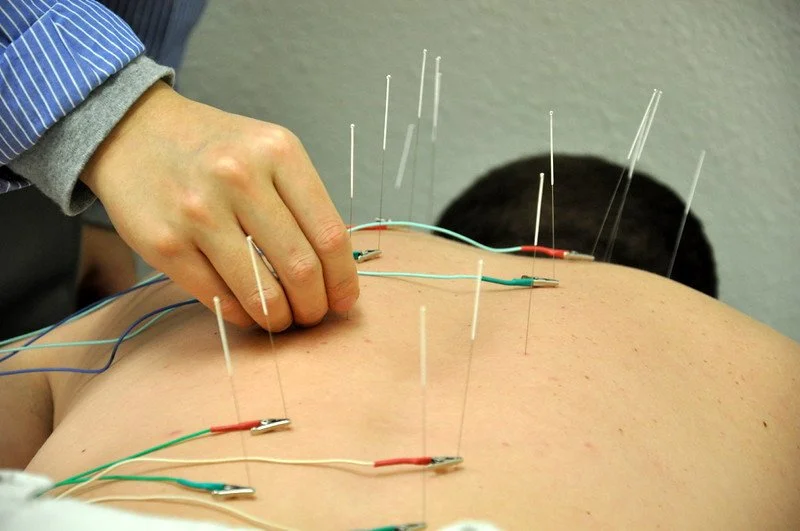
Image by BBC World Service from Flickr
Mobility is essential for everything from athletic performance to everyday movement. When muscles become tight, inhibited, or injured, the result is often pain, stiffness, and limited range of motion. While stretching and strengthening are commonly prescribed, they don’t always address the root of the problem.
Acupuncture—especially when targeting motor points and combined with electrical stimulation (electro-acupuncture)—offers a powerful, science-backed way to restore mobility, reduce pain, and improve neuromuscular function.
WHAT IS MOBILITY AND WHY DOES IT DECLINE?
Mobility refers to the ability of a joint to move freely through its full range of motion with proper muscle coordination and control. It’s not just flexibility—it also involves:
Muscle activation
Joint stability
Nervous system coordination
Fascial elasticity
Mobility can decline due to:
Muscle inhibition or weakness
Overuse or repetitive strain
Injury or surgery
Poor posture or movement patterns
Chronic stress and nervous system tension
Scar tissue and fascial adhesions
Dehydration!
In many cases, the issue isn’t that muscles are “tight”—it’s that they are not functioning properly at the neurological level.
WHAT ARE MOTOR POINTS IN ACUPUNCTURE?
Motor points are specific locations on a muscle where the motor nerve enters the muscle belly, making them highly responsive to stimulation.
In acupuncture, targeting motor points allows practitioners to:
Activate weak or inhibited muscles
Relax overactive or tight muscles
Restore proper muscle firing patterns
Improve coordination and movement efficiency
This approach is sometimes referred to as motor point acupuncture or neuromuscular acupuncture.
HOW ELECTRO-ACUPUNCTURE ENHANCES MOTOR POINT THERAPY
Electro-acupuncture involves attaching small electrodes to acupuncture needles, delivering a gentle electrical current to targeted areas.
When applied to motor points, electrical stimulation can:
1. Re-Educate Muscle Function
It helps “wake up” muscles that are not firing correctly, restoring proper activation patterns.
2. Improve Strength and Coordination
The stimulation mimics natural nerve signals, enhancing neuromuscular control.
3. Reduce Muscle Guarding and Spasm
It calms overactive muscles, allowing opposing muscle groups to function properly.
4. Increase Blood Flow and Oxygenation
Improved circulation accelerates tissue repair and reduces inflammation.
5. Break the Pain-Spasm Cycle
Pain leads to muscle guarding, which leads to more pain. Electro-acupuncture interrupts this cycle.
THE SCIENCE BEHIND ACUPUNCTURE AND MOBILITY
Modern research supports the effectiveness of acupuncture—especially electro-acupuncture—in improving mobility and musculoskeletal function.
Key findings include:
Increased microcirculation: Studies show acupuncture enhances local blood flow, promoting healing.
Neuromuscular activation: Electro-acupuncture stimulates motor nerves, improving muscle recruitment.
Pain reduction: Acupuncture triggers endorphin release and modulates pain pathways in the central nervous system.
Reduced inflammation: Research demonstrates decreased inflammatory markers following treatment.
Improved range of motion: Clinical trials show measurable gains in flexibility and joint mobility after acupuncture therapy.
A growing body of evidence suggests that acupuncture works not just locally, but also through central nervous system modulation, improving how the brain communicates with muscles.
CONDITIONS THAT BENEFIT FROM MOTOR POINT ACUPUNCTURE
Motor point acupuncture with electrical stimulation is highly effective for a wide range of conditions affecting mobility, including:
Chronic muscle tightness
Sports injuries
Post-surgical stiffness
Low back pain
Neck and shoulder tension
Sciatica and nerve impingement
Tendonitis and overuse injuries
Joint instability
Frozen shoulder
IT band syndrome
Athletes and active individuals often benefit from faster recovery and improved performance when this technique is incorporated into their treatment plan.
WHAT A TREATMENT FEELS LIKE
During a session:
Fine acupuncture needles are inserted into specific motor points.
Electrodes are gently attached to the needles.
A mild electrical pulse is applied, creating a rhythmic muscle contraction.
Patients often describe the sensation as:
A gentle tapping or pulsing
Mild muscle twitching
Deep relaxation following stimulation
Treatments are typically well tolerated and tailored to each individual’s comfort level.
WHY STRETCHING ALONE ISN’T ENOUGH
Stretching targets muscle length, but it does not address:
Neuromuscular dysfunction
Poor muscle activation
Nervous system imbalances
Fascial restrictions
Without correcting these underlying issues, tightness often returns quickly.
Motor point acupuncture addresses the root cause of dysfunction, allowing stretching and strengthening exercises to become more effective.
A HOLISTIC APPROACH TO RESTORING MOVEMENT
Acupuncture doesn’t just treat symptoms—it restores balance across the entire system.
Benefits include:
Improved range of motion
Faster injury recovery
Reduced pain and inflammation
Better posture and movement patterns
Enhanced athletic performance
Nervous system regulation
Long-term mobility improvements
When combined with proper exercise, mobility training, and lifestyle support, acupuncture becomes a powerful tool for maintaining optimal physical function.
WHO CAN BENEFIT?
Motor point acupuncture with electro-stimulation is ideal for:
Athletes looking to improve performance
Individuals recovering from injury or surgery
People with chronic pain or stiffness
Desk workers with postural tension
Anyone experiencing limited mobility or movement dysfunction
FINAL THOUGHTS: REWIRING MOVEMENT FOR LASTING MOBILITY
Mobility is not just about stretching—it’s about how well your muscles, nerves, and joints work together. When that communication breaks down, pain and restriction follow.
By targeting motor points and using electrical stimulation, acupuncture helps retrain the body, restore proper muscle function, and bring movement back to life.
Whether you’re recovering from injury or looking to move better and feel stronger, acupuncture offers a modern, effective, and holistic approach to lasting mobility.
As always, it’s best to go to a Licensed Acupuncturist (L.Ac.) who has specific training in this.