Why Low Back and Neck Pain Are the Most Common Problems I See in My Acupuncture Clinic
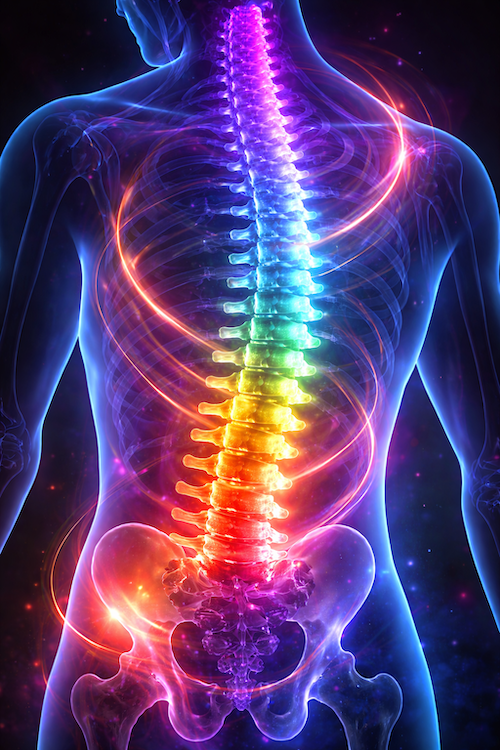
As an acupuncturist, two conditions consistently stand out above all others: low back pain and neck pain. Day after day, patients walk into the clinic with stiffness, tension, sharp pain, or chronic discomfort in these areas.
But why are these issues so common?
From both a modern medical and Traditional Chinese Medicine (TCM) perspective, the answer lies in how we live, move, and respond to stress in today’s world. Understanding the root causes of these conditions—and how acupuncture addresses them—can help patients find lasting relief rather than temporary fixes.
THE MODERN LIFESTYLE: A PERFECT STORM FOR PAIN
1. Prolonged Sitting and Poor Posture
Many people spend hours each day sitting—at desks, in cars, or on devices. This leads to:
Weak core and postural muscles
Tight hip flexors
Increased strain on the lumbar spine
Forward head posture and rounded shoulders
Degeneration over the years
Over time, this creates chronic stress on both the neck and lower back, leading to pain and reduced mobility.
2. Repetitive Movements and Overuse
Whether from exercise, work, or daily habits, repetitive movements can overload specific muscle groups.
Athletes may develop overuse injuries
Desk workers experience repetitive strain
Parents frequently lifting children strain their backs
Without proper recovery, these patterns lead to muscle imbalance and inflammation.
3. Stress and the Nervous System
Stress plays a major role in physical pain—especially in the neck and back.
When the body is in a constant fight-or-flight state, muscles remain slightly contracted. Over time, this leads to:
Chronic tension in the upper trapezius and neck
Reduced blood flow to tissues
Increased pain sensitivity
This is why many patients say, “My shoulders are always tight,” or “My back locks up when I’m stressed.”
A TCM PERSPECTIVE: QI STAGNATION AND IMBALANCE
In Traditional Chinese Medicine, pain is often described as:
“Where there is stagnation, there is pain.”
Low back and neck pain commonly involve:
Qi and Blood stagnation (poor circulation)
Cold invasion causing muscle contraction - (heat is best for this)
Kidney deficiency (low back weakness and chronic fatigue)
Liver Qi stagnation (tension and stress-related tightness)
The neck and back are also areas where multiple meridians pass through, making them particularly vulnerable to blockage.
WHY THESE AREAS ARE SO VULNERABLE
The Neck: A Crossroads of Stress and Movement
The neck supports the head, which can weigh 10–12 pounds. With forward posture (like looking at a phone), this load can increase significantly.
The neck is also:
Highly mobile
Closely connected to the nervous system
Sensitive to stress and emotional tension
This makes it one of the first places the body holds tension.
The Low Back: The Body’s Foundation
The low back is responsible for:
Supporting body weight
Transferring force during movement
Stabilizing the core
Because of this, it is prone to:
Muscle strain
Disc issues
Joint dysfunction
Compensation from weak or tight surrounding muscles
SCIENTIFIC EVIDENCE: WHY THESE CONDITIONS ARE SO COMMON
Research confirms that low back and neck pain are among the leading causes of disability worldwide.
According to the Global Burden of Disease Study, low back pain is the #1 cause of years lived with disability globally.
Neck pain ranks among the top musculoskeletal disorders affecting adults.
Studies show that up to 80% of people will experience low back pain at some point in their lives.
These conditions are not only common—they are increasing, largely due to sedentary lifestyles and chronic stress.
HOW ACUPUNCTURE EFFECTIVELY TREATS NECK AND LOW BACK PAIN
Acupuncture offers a comprehensive approach that addresses both symptoms and underlying causes.
1. Reduces Pain Through Neurological Pathways
Acupuncture stimulates the release of endorphins and enkephalins, the body’s natural pain-relieving chemicals.
2. Improves Circulation
Increased blood flow delivers oxygen and nutrients to injured tissues, accelerating healing.
3. Releases Muscle Tension
Needling tight or dysfunctional muscles helps reset muscle tone and reduce spasms.
4. Helps Inhibited Muscles to Fire Again.
Often we’re compensating for other muscles that are weak or inhibited. This makes compensatory muscles work overtime.
5. Regulates the Nervous System
Acupuncture shifts the body from a stress state to a relaxed, healing state, reducing chronic tension patterns.
6. Reduces Inflammation
Studies show acupuncture can lower inflammatory markers, helping relieve pain and stiffness.
WHAT THE RESEARCH SAYS ABOUT ACUPUNCTURE
A large meta-analysis published in The Journal of Pain found acupuncture to be effective for chronic musculoskeletal pain, including neck and low back pain.
Research in Archives of Internal Medicine showed acupuncture provides significant and lasting relief compared to usual care.
Clinical studies also demonstrate improvements in mobility, pain intensity, and quality of life following acupuncture treatments.
Electro-acupuncture and motor point techniques further enhance outcomes by improving neuromuscular function.
WHY PATIENTS KEEP COMING BACK FOR THESE ISSUES
Low back and neck pain are not just isolated injuries—they are often patterns.
Without addressing:
Movement habits
Posture
Stress
Muscle imbalances
…the pain tends to return.
Acupuncture helps break this cycle by treating both the symptom and the system.
PREVENTING RECURRENCE: A HOLISTIC APPROACH
To maintain long-term relief:
Improve posture and ergonomics
Incorporate regular movement and stretching
Strengthen core and stabilizing muscles
Manage stress levels
Stay consistent with maintenance acupuncture
FINAL THOUGHTS: TREATING THE ROOT, NOT JUST THE PAIN
Low back and neck pain are so common because they reflect how modern life places stress on the body - think of the spinal column like a pillar. If one end is out, you’re likely to compensate with the upper, causing the muscles to hold everything together which creates muscle spasms and nerve compressions.
From an acupuncturist’s perspective, these conditions are not just structural problems—they are signs of imbalance, stagnation, and nervous system overload. Acupuncture helps these many faceted imbalances.