
Travel, Jet Lag, and Acupuncture: Resetting Your Internal Clock
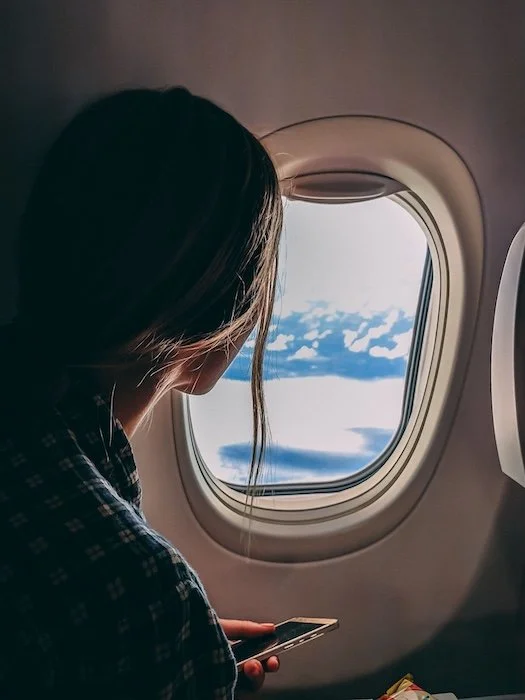
Photo by Jason Toevs from Pexels
Many of my patients have been traveling this month and others are planning trips. Whether you're flying across the country or halfway around the world, travel can be exciting, but jet lag can quickly take the enjoyment out of your trip. Fatigue, brain fog, digestive upset, poor sleep, and difficulty concentrating are common complaints after crossing multiple time zones.
While many travelers rely on caffeine or sleep aids to get through the adjustment period, acupuncture offers a natural way to help your body adapt more quickly and restore balance to your internal clock. Especially when you return home.
From both a modern medical and Traditional Chinese Medicine (TCM) perspective, jet lag is more than simple tiredness—it's a disruption of the body's natural rhythms.
WHAT IS JET LAG?
Jet lag occurs when your body's internal clock, known as the circadian rhythm, becomes out of sync with the local time at your destination.
Your circadian rhythm regulates:
Sleep and wake cycles
Hormone production
Digestion
Body temperature
Energy levels
Mental performance
When you rapidly cross time zones, your body is essentially operating on the wrong schedule.
Common symptoms include:
Difficulty falling asleep
Early morning waking
Daytime fatigue
Brain fog
Irritability
Digestive issues
Reduced athletic performance
Headaches
The more time zones crossed, the greater the disruption tends to be.
WHY TRAVEL IS STRESSFUL FOR THE NERVOUS SYSTEM
Even before jet lag sets in, travel itself places significant demands on the body.
Physical Stressors
Travel often involves:
Long periods of sitting
Dehydration
Poor sleep
Airport stress
Changes in eating habits
These factors can contribute to:
Muscle tension
Increased inflammation
Circulatory sluggishness
Fatigue
Nervous System Overload
Travel can keep the body in a mild state of sympathetic activation—commonly known as "fight-or-flight."
You may notice:
Restlessness
Difficulty relaxing
Trouble sleeping despite exhaustion
Increased muscle tension
This makes it harder for the body to transition into the restorative state needed for recovery.
HOW ACUPUNCTURE HELPS RESET YOUR INTERNAL CLOCK
1. Regulates the Nervous System
One of acupuncture's most powerful effects is its ability to help shift the body from a stressed, sympathetic state into a parasympathetic "rest-and-repair" state.
This can help:
Improve sleep quality
Reduce travel-related anxiety
Promote relaxation
Accelerate recovery
2. Supports Healthy Sleep Cycles
Many travelers report deeper, more restorative sleep after acupuncture treatments.
Acupuncture may help:
Shorten the time it takes to fall asleep
Improve sleep efficiency
Reduce nighttime awakenings
Better sleep means faster adjustment to a new time zone.
3. Reduces Fatigue and Brain Fog
Jet lag often leaves travelers feeling mentally sluggish.
Acupuncture can help improve:
Mental clarity
Energy levels
Concentration
Cognitive performance
Many patients describe feeling more alert without the jittery effects of excessive caffeine.
4. Improves Circulation
Long flights can contribute to:
Muscle stiffness
Fluid retention
Reduced circulation
Acupuncture helps stimulate blood flow and tissue recovery, making it especially beneficial after extended travel.
5. Supports Digestion
Digestive symptoms are among the most overlooked effects of jet lag.
Travel often disrupts:
Appetite
Bowel movements
Nutrient absorption
Acupuncture can help regulate digestive function and reduce bloating, constipation, or stomach discomfort.
SCIENTIFIC RESEARCH ON ACUPUNCTURE AND CIRCADIAN REGULATION
Research suggests acupuncture may influence multiple systems involved in circadian regulation and recovery.
Studies have shown acupuncture can:
Improve sleep quality
Reduce insomnia symptoms
Modulate autonomic nervous system activity
Lower stress hormone levels
Improve overall well-being during periods of physiological stress
Research also suggests acupuncture may influence melatonin production, an important hormone involved in regulating sleep-wake cycles.
While more studies specifically examining jet lag are needed, the existing evidence supports acupuncture's role in helping the body adapt to disrupted sleep and stress patterns.
WHEN SHOULD YOU GET ACUPUNCTURE FOR TRAVEL?
Before Your Trip
Receiving acupuncture before departure may help:
Reduce travel anxiety
Improve sleep leading up to travel
Prepare the nervous system for the upcoming stress
Immediately After Arrival
This is often one of the most effective times for treatment.
Acupuncture can help:
Reduce fatigue
Improve alertness
Support adjustment to local time
During Extended Travel
Frequent travelers often benefit from maintenance treatments to:
Improve recovery
Reduce accumulated stress
Maintain energy levels
ADDITIONAL TIPS FOR REDUCING JET LAG
Acupuncture works best when combined with healthy travel habits.
Stay Hydrated
Air travel is dehydrating, and dehydration worsens fatigue and brain fog.
Get Morning Sunlight
Natural sunlight helps reset the circadian rhythm and signals the brain to adapt to local time.
Avoid Excessive Alcohol
Alcohol can further disrupt sleep quality and recovery.
Move Your Body
Walking, stretching, and light exercise can help improve circulation and reduce stiffness after travel.
Adjust to Local Time Quickly
Try to eat, sleep, and wake according to your destination's schedule as soon as possible.
WHY ATHLETES AND FREQUENT TRAVELERS USE ACUPUNCTURE
Professional athletes, business travelers, and frequent flyers often use acupuncture because it supports:
Faster recovery
Better sleep
Reduced inflammation
Improved mental performance
Nervous system regulation
When performance matters, optimizing recovery becomes essential.
THE ACUPUNCTURIST’S TAKEAWAY
Jet lag isn't simply a sleep problem—it's a disruption of your body's entire operating system.Instead of merely masking symptoms with caffeine or sleep aids, acupuncture helps your body adapt and recover more efficiently, allowing you to arrive feeling more balanced, energized, and ready for your destination.