
Prehab: Preparing Your Body for Surgery With Acupuncture
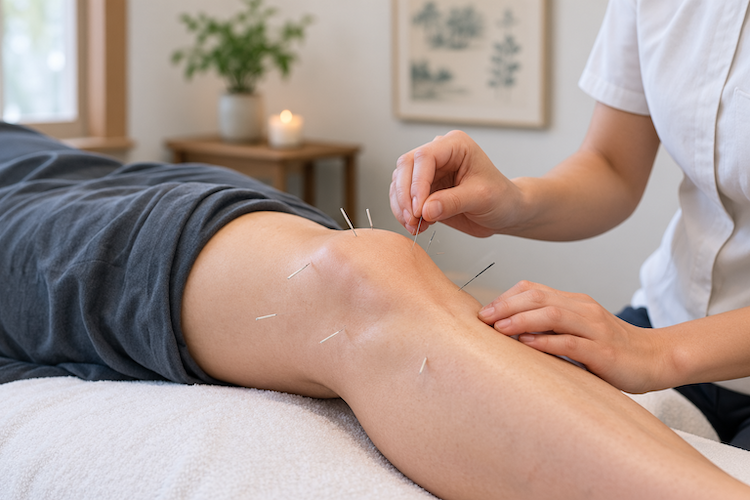
When people think about acupuncture and surgery, they often think about recovery after the operation - helping with pain, swelling, stiffness, and mobility during rehabilitation.
But what if acupuncture could also be part of the preparation?
This is where prehabilitation, or “prehab,” comes in.
Prehab is the process of preparing your body before surgery so that you enter the procedure in the best physical condition possible. Depending on the type of surgery, prehab may include exercise, physical therapy, nutrition, sleep, breathing exercises, stress management, and other supportive strategies.
For some patients, acupuncture may be a complementary part of that preparation.
WHAT IS PREHAB?
Prehabilitation is rehabilitation before surgery rather than after it.
The idea is straightforward: surgery places a physical demand on the body. The stronger, more mobile, and better prepared you are beforehand, the more resources you may have available for the recovery process afterward.
Traditional prehab programs may focus on:
Building strength
Improving flexibility and mobility
Improving cardiovascular fitness
Practicing exercises that will be needed after surgery
Optimizing nutrition
Improving sleep
Preparing for changes in mobility after surgery
Learning how to use assistive equipment
Preparing mentally and emotionally for the recovery period
The exact approach depends on the surgery and the individual's health.
WHERE DOES ACUPUNCTURE FIT IN?
Acupuncture isn't intended to replace your surgeon's instructions, physical therapy, or medical preparation.
Instead, it may be used as a complementary treatment before surgery to address some of the problems that are already present before the operation.
For example, someone preparing for knee replacement may already have:
Significant knee pain
Tight quadriceps or hamstrings
Hip weakness or stiffness
Limited range of motion
Compensatory movement patterns
Difficulty sleeping because of pain
Increased muscular tension
These issues don't necessarily disappear just because surgery is scheduled.
Preparing the surrounding musculoskeletal system before surgery may help a patient begin the postoperative period with a better baseline of movement and function.
WHY PREPARE BEFORE SURGERY?
Imagine beginning rehabilitation with a body that has already been compensating for pain for months or years.
When one joint hurts, people naturally change the way they move.
Someone with knee pain may shift their weight to the other leg.
Someone with hip pain may shorten their stride.
Someone with shoulder pain may stop using the affected arm.
Over time, these adaptations can create additional areas of tension and weakness.
The original problem may be localized, but the compensation can involve the entire movement chain.
Prehab gives us an opportunity to work on the body before surgery—not just after it.
ACUPUNCTURE AND MUSCLE TENSION
One potential role for acupuncture during prehab is addressing areas of excessive muscular tension.
Depending on the individual, treatment may focus on:
Muscles surrounding the affected joint
The opposite side of the body that has been compensating
The lower back and pelvis
Hip muscles
Quadriceps and hamstrings
Calves and feet
Shoulder and upper-back muscles
Areas of myofascial tension
The goal isn't necessarily to “fix” the joint before surgery.
Rather, acupuncture can be incorporated into a broader plan designed to help the body move as comfortably and efficiently as possible before the procedure.
PREPARING THE NERVOUS SYSTEM
Surgery can be stressful.
Patients may experience anxiety about anesthesia, the procedure itself, pain afterward, loss of independence, or how quickly they will recover.
Pain and stress can also influence muscle tension and sleep.
Acupuncture is sometimes used as part of a patient's relaxation and stress-management routine before surgery.
SLEEP MATTERS BEFORE SURGERY
Sleep is an important part of physical preparation.
Unfortunately, pain can make it difficult to sleep comfortably—especially when a patient has been dealing with a chronic orthopedic problem.
A person preparing for surgery may therefore benefit from addressing sleep difficulties before the procedure rather than waiting until afterward.
Acupuncture may be incorporated into a broader sleep-support plan that includes:
Consistent sleep and wake times
A relaxing evening routine
Appropriate exercise
Limiting caffeine later in the day
Managing nighttime pain
Relaxation and breathing techniques
Better preparation isn't about creating a perfect sleep schedule. It's about giving the body an opportunity to rest before a major physical event.
PREHAB ISN’T JUST ABOUT THE SURGICAL AREA
One of the most important principles of prehab is looking beyond the body part being operated on.
Consider someone preparing for a knee operation.
The knee is the surgical site—but the patient may also have restrictions or compensations involving the:
Foot → ankle → knee → hip → pelvis → spine
If the knee has been painful for a long time, other parts of the body may have been working differently to compensate.
An acupuncture treatment plan may therefore address areas beyond the knee itself.
The same principle applies to shoulder, hip, ankle, and spinal procedures.
ACUPUNCTURE BEFORE JOINT REPLACEMENT
Joint replacement is a good example of where prehab can become particularly valuable.
A patient waiting for hip or knee replacement may have spent months or years avoiding certain movements because they hurt.
That can lead to:
Muscle weakness
Reduced mobility
Stiffness
Altered walking patterns
Reduced activity levels
Poor sleep
Increased muscular tension
Preoperative exercise and physical therapy may be recommended to maintain strength and function.
Acupuncture can potentially be incorporated alongside these interventions when appropriate.
The objective isn't to postpone necessary surgery or claim that acupuncture can repair severely damaged cartilage or replace an orthopedic procedure.
Instead, it is about helping the patient prepare the body they have now for the recovery that comes next.
WHAT MIGHT A PRE-OP ACUPUNCTURE SESSION LOOK LIKE?
There isn't one standard acupuncture protocol for surgical prehab.
Treatment should be individualized according to the patient's condition, planned procedure, medications, symptoms, and overall treatment plan.
A session may involve acupuncture directed toward:
Areas of muscular tension
Muscles surrounding the affected joint
Compensatory areas
Trigger points or myofascial restrictions
Electro-acupuncture to help with any inhibited musculature
Distal acupuncture points
Points selected according to the patient's TCM pattern
Some patients may also benefit from complementary techniques such as gentle manual therapy, depending on their situation.
The timing and treatment approach should always be coordinated appropriately with the patient's medical team.
HOW FAR BEFORE SURGERY SHOULD YOU START?
There is no universal number of acupuncture sessions that applies to every surgery.
Ideally, prehab begins early enough to identify and work on the patient's limitations before the procedure.
For some people, that may mean starting several weeks before surgery. For others, the available preparation period may be shorter.
The treatment plan can depend on:
Type of surgery
Current pain level
Mobility
Strength
Activity level
Other health conditions
Surgical timeline
Recommendations from the surgeon and physical therapist
The earlier you know surgery is coming, the more opportunity you may have to prepare.
WHAT ABOUT THE DAY BEFORE SURGERY?
This is where communication with your medical team becomes especially important.
Acupuncture is not automatically appropriate immediately before every procedure.
Your surgeon should know about all complementary treatments you are receiving, particularly if you take medications that affect bleeding or have medical conditions that could affect treatment.
Your acupuncturist should also know about:
Your upcoming procedure
Medications and supplements
Any bleeding or clotting concerns
Your surgeon's instructions
Any restrictions placed on treatment before surgery
Your surgical team's instructions always take priority.
PREHAB VS. REHAB
It can help to think of the two phases this way:
Prehab:
Prepare the body for surgery.
Surgery:
Address the underlying condition when surgery is indicated.
Rehab:
Help the body recover and regain strength, mobility, and function afterward.
Acupuncture may potentially have a place in both the prehab and rehabilitation phases—but the goals are different.
Before surgery, the focus may be on preparing and optimizing function.
After surgery, the focus shifts toward recovery and rehabilitation.
DON’T WAIT UNTIL AFTER SURGERY TO START PREPARING
One of the biggest misconceptions about surgical recovery is that rehabilitation begins when you leave the operating room.
In reality, preparation can begin much earlier.
If you're scheduled for surgery, ask:
What can I do now to prepare my body for recovery?
You may have an opportunity to improve strength, mobility, sleep, physical conditioning, and stress management before the procedure.
For some patients, acupuncture can be incorporated into that preparation to address pain, muscular tension, movement restrictions, and other concerns before surgery.
The goal isn't to make the body perfect before an operation.
It's to give your body the best preparation possible for the journey ahead.
A Note About Safety
Acupuncture should be coordinated with your healthcare team when you are preparing for surgery. Tell your acupuncturist about your upcoming procedure, medications, supplements, and any instructions from your surgeon. Do not stop prescribed medications or alter surgical instructions without speaking with your medical team.
Acupuncture is a complementary therapy and should not replace necessary medical or surgical care.