Seasonal Allergies and Acupuncture: A Natural Way to Breathe Easier
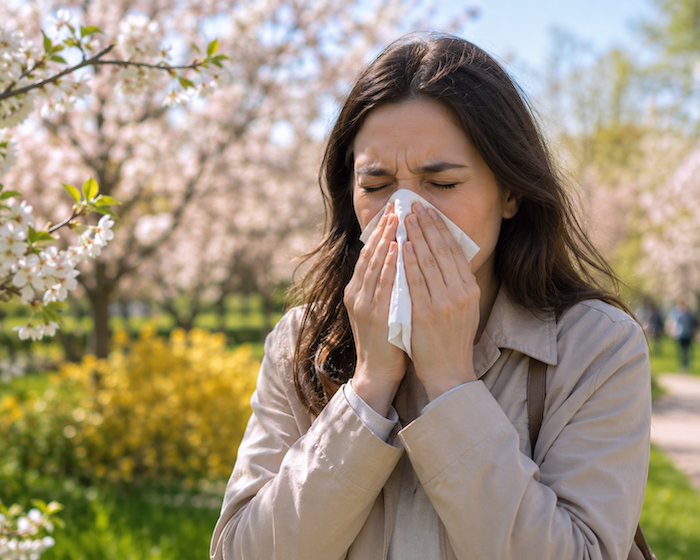
This year has been a doozy for allergies! Many of my patients are suffering as am I (and I haven’t had allergies in years!) As the seasons change, many people look forward to blooming flowers and warmer weather—but for others like us, it signals the start of seasonal allergies. Sneezing, congestion, itchy eyes, and sinus pressure can make even the most beautiful days feel uncomfortable.
While antihistamines and medications are commonly used, more people are turning to acupuncture as a natural, holistic approach to managing allergy symptoms and strengthening the body’s defenses.
WHAT CAUSES SEASONAL ALLERGIES?
Seasonal allergies (also known as allergic rhinitis or hay fever) occur when the immune system overreacts to environmental triggers such as:
Pollen (trees, grasses, weeds)
Mold spores
Dust and environmental particles
This immune response releases histamine, leading to symptoms like:
Sneezing
Runny or congested nose
Itchy, watery eyes
Sinus pressure
Fatigue
A TCM PERSPECTIVE: WIND AND DEFENSIVE QI
In Traditional Chinese Medicine (TCM), seasonal allergies are often seen as an imbalance involving:
Wind (external pathogens entering the body)
Wei Qi (defensive energy), which protects against illness
Weakness in the Lung and Spleen systems
When Wei Qi is strong, the body can adapt to environmental changes. When it’s weakened, the body becomes more reactive—leading to allergy symptoms.
Allergies are often described as the body being too sensitive to external influences, rather than simply “attacked” by them.
WHY ALLERGY SYMPTOMS FEEL SO DRAINING
Seasonal allergies don’t just affect the nose and eyes—they impact the whole system.
1. Immune System Overactivity
The body is constantly reacting, which can lead to fatigue and inflammation.
2. Sinus and Circulatory Blockage
Inflammation in the sinuses restricts airflow and fluid movement, creating pressure and congestion.
3. Nervous System Stress
Chronic symptoms can keep the body in a low-level stress response, affecting sleep and energy.
HOW ACUPUNCTURE HELPS SEASONAL ALLERGIES
Acupuncture works by addressing both symptoms and underlying imbalances, offering relief that goes beyond temporary suppression.
1. Reduces Inflammation
Acupuncture has been shown to modulate inflammatory pathways, helping reduce swelling in the sinuses and nasal passages.
2. Regulates the Immune System
Rather than suppressing the immune response, acupuncture helps balance it, making the body less reactive to allergens.
3. Opens Nasal Passages
Specific acupuncture points can relieve sinus congestion and improve airflow—often providing immediate relief.
4. Strengthens Wei Qi (Immune Defense)
Regular treatments help build resilience, reducing the frequency and intensity of allergy flare-ups over time.
5. Calms the Nervous System
By shifting the body into a parasympathetic (rest-and-repair) state, acupuncture helps reduce the overall stress burden on the body.
SCIENTIFIC EVIDENCE: ACUPUNCTURE FOR ALLERGIES
Modern research supports acupuncture as an effective complementary treatment for allergic rhinitis:
Studies published in Annals of Internal Medicine show acupuncture significantly reduces allergy symptoms and improves quality of life
Research in Allergy journal found decreased use of antihistamines among patients receiving acupuncture
Clinical trials demonstrate improvements in nasal airflow and reduced inflammation markers
The World Health Organization (WHO) recognizes acupuncture as a treatment for allergic rhinitis
Acupuncture may also influence immune signaling molecules and regulate histamine responses.
WHEN TO START ACUPUNCTURE FOR ALLERGIES
Timing matters.
Best approach:
Start before allergy season (preventative care)
Continue with treatments during peak season
Maintain support for long-term immune balance
Preventative acupuncture can significantly reduce how strongly your body reacts when allergens appear.
COMPLEMENTARY TIPS FOR ALLERGY RELIEF
To enhance acupuncture results:
Support Your Environment
Use air purifiers
Keep windows closed during high pollen days
Shower after being outdoors
Eat for Balance
Reduce inflammatory foods (processed foods, excess sugar, wheat and dairy)
Add anti-inflammatory foods (ginger, leafy greens, berries)
Stay Hydrated
Fluids help thin mucus and support sinus drainage.
Manage Stress
Stress weakens the immune system and increases sensitivity to allergens.
THE ACUPUNCTURIST’S TAKEAWAY
Seasonal allergies are not just about pollen—they reflect how the body responds to its environment.
Acupuncture offers a unique approach by:
Reducing inflammation
Regulating the immune system
Strengthening the body’s defenses
Relieving symptoms naturally
Instead of simply blocking symptoms, acupuncture helps your body adapt, respond, and function more efficiently.