
Acupuncture for Headaches:Tension vs Migraine Explained
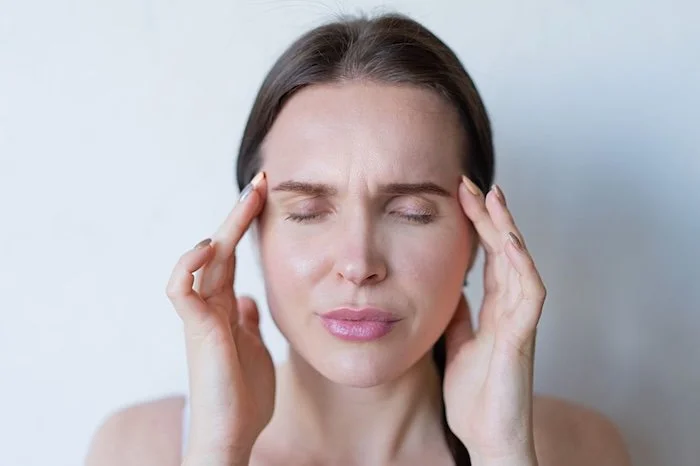
Photo by Atlantic Ambience from Pexels
Headaches are one of the most common conditions seen in an acupuncture clinic - but not all headaches are the same. Two of the most frequent types are tension headaches and migraines, and understanding the difference is key to finding the right treatment.
From an acupuncturist’s perspective, headaches are not just about the head—they reflect patterns in the body, nervous system imbalance, and circulation issues.
TENSION HEADACHES: THE “TIGHT BAND” FEELING
Tension headaches are the most common type and are often described as:
A dull, aching pain
Pressure around the forehead or temples
A “tight band” sensation around the head
Neck and shoulder tightness
Common Causes:
Stress and mental overload
Poor posture (especially desk work)
Muscle tension in the neck and shoulders
Eye strain
What’s Happening:
From a physiological standpoint, tension headaches are linked to muscle contraction and nervous system stress.
From a TCM perspective, they are often associated with:
Stagnation
Liver imbalance (stress-related tension)
Poor circulation to the head
MIGRAINES: MORE THAN JUST A HEADACHE
Migraines are more complex and can be debilitating.
Symptoms Include:
Throbbing or pulsating pain (often one-sided)
Sensitivity to light and sound
Nausea or vomiting
Visual disturbances (aura)
Fatigue before and after the episode
Common Triggers:
Hormonal changes
Stress or stress release
Certain foods (wine, chocolate, dairy, gluten)
Sleep disruption
Environmental factors
What’s Happening:
Migraines involve neurological and vascular changes, including:
Altered brain activity
Changes in blood flow
Heightened nervous system sensitivity
In TCM, migraines may involve:
Liver/digestive stagnation
internal imbalances
Blood deficiency or lack of blood flow
KEY DIFFERENCES: TENSION VS MIGRAINE
| TENSION HEADACHE | MIGRAINE |
|---|---|
|
• Dull, steady pain • Both sides of head • Mild to moderate • Muscle tension-related • No nausea • Triggered by stress/posture |
• Throbbing, pulsating pain • Often one-sided • Moderate to severe • Neurological + vascular • Often includes nausea • Triggered by multiple factors |
HOW ACUPUNCTURE TREATS BOTH TYPES OF HEADACHES
Acupuncture doesn’t just treat the pain—it addresses the root cause of the imbalance.
1. Relieves Muscle Tension
For tension headaches, acupuncture releases tight muscles in the neck, shoulders, and scalp.
2. Regulates the Nervous System
Both headache types involve nervous system dysregulation. Acupuncture helps shift the body into a calmer, parasympathetic state.
3. Improves Circulation
Better blood flow reduces pressure, inflammation, and pain signals in the head.
4. Reduces Frequency and Intensity
Regular acupuncture treatments can decrease how often headaches occur—and how severe they feel.
5. Addresses Triggers
Instead of chasing symptoms, acupuncture helps regulate:
Stress response
Hormonal balance
Sleep quality
Digestive health
SCIENTIFIC EVIDENCE
Research supports acupuncture as an effective treatment for headaches:
Studies show acupuncture reduces the frequency of both tension headaches and migraines
Clinical trials demonstrate decreased reliance on pain medication
Research indicates acupuncture influences pain pathways, serotonin levels, and blood flow
The World Health Organization (WHO) recognizes acupuncture for headache treatment
A large meta-analysis found acupuncture to be comparable, or superior to conventional care for chronic headache conditions.
WHEN TO CONSIDER ACUPUNCTURE
Regular acupuncture treatments are especially helpful if you:
Experience frequent headaches
Rely on medication regularly
Notice stress as a major trigger
Have tried other treatments without lasting relief
It can be used both for acute relief and long-term prevention.
ACUPUNCTURE TAKEAWAY
Not all headaches are created equal, but both tension headaches and migraines share a common theme:
Imbalance in the nervous system and circulation.
Acupuncture offers a powerful way to:
Release physical tension
Calm neurological overactivity
Improve blood flow
Restore overall balance
Instead of masking the pain, it helps your body regulate itself more effectively—leading to fewer headaches and better quality of life.