
Unlocking the Wrist: How Acupuncture Accelerates Recovery from Carpal Tunnel Syndrome
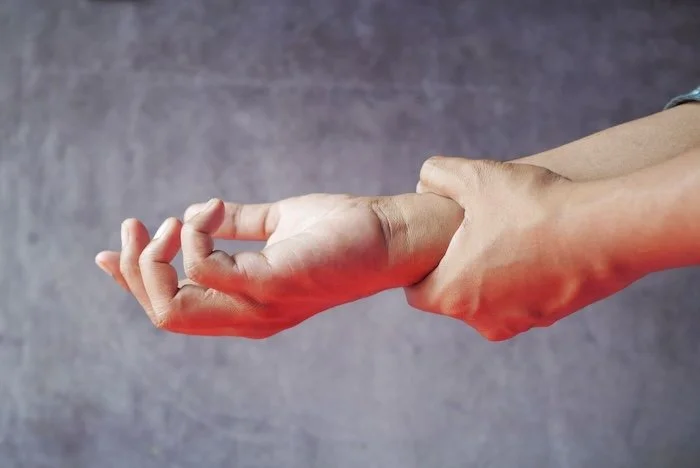
Photo by Towfiqu Barbhuiya from Pexels
Carpal Tunnel Syndrome (CTS) is one of the most common nerve disorders, affecting millions of people who spend their days typing, crafting, or performing repetitive manual labor. It occurs when the median nerve, which runs from the forearm into the palm of the hand, becomes pressed or squeezed at the wrist. The result is a frustrating and often debilitating combination of numbness, weakness, tingling, and sharp pain in the hand and arm.
For decades, the standard course of treatment has escalated quickly from rigid wrist splints and Non-Steroidal Anti-Inflammatory Drugs (NSAIDs) to corticosteroid injections, and eventually, invasive decompression surgery. However, as more patients seek conservative, non-surgical interventions, acupuncture has emerged as a highly effective, evidence-based therapy for managing and resolving CTS symptoms.
"Rather than simply masking the pain, acupuncture works to reduce the structural inflammation causing the nerve compression, promoting genuine, long-term healing."
AN EASTERN PERSPECTIVE: UNBLOCKING THE CHANNELS
Repetitive strain, cold environments, or underlying systemic deficiencies can cause the energy in these pathways to become sluggish. By inserting fine needles into specific points along these blocked channels, an acupuncturist restores proper circulation, dispels the stagnation, and revitalizes the surrounding tissues.
THE SCIENCE: HOW ACUPUNCTURE REPAIRS THE CARPAL TUNNEL
From a Western biomedical standpoint, the effectiveness of acupuncture for CTS is supported by several measurable physiological mechanisms:
1. Reducing Localized Inflammation
The primary driver of CTS is the inflammation of the flexor tendons that share the narrow "carpal tunnel" with the median nerve. When these tendons swell, they compress the nerve. Acupuncture will help to reduce the tension in this area.
2. Releasing Myofascial Tension
Often, the root cause of wrist pain doesn't originate solely in the wrist. Tight muscles in the forearm, shoulder, and even the neck can contribute to nerve entrapment and tension. Needling specific trigger points in the forearm (and along the nerve's entire pathway) releases tight muscle bands and fascia, physically decompressing the median nerve from the elbow down to the palm. Needling the motor points with electrical stimulation also helps to reduce tension in the myofascial pathways
3. Cortical Remodeling (Brain-Body Connection)
Fascinating neuroimaging studies, including fMRI research conducted at institutions like Harvard Medical School, have shown that acupuncture actually rewires how the brain processes pain signals. Patients with CTS often experience "maladaptive neuroplasticity," where the brain's map of the fingers becomes blurred. Acupuncture has been shown to improve nerve conduction at the wrist while simultaneously normalizing the brain's somatosensory cortex.
4. Endorphin and Enkephalin Release
Like its application in other pain conditions, acupuncture triggers the central nervous system to release natural, potent pain-relieving chemicals. This provides immediate, systemic relief from the sharp, shooting pains associated with CTS.
WHAT A TREATMENT PLAN LOOKS LIKE
I employ electroacupuncture - By attaching small clips to the needles and applying a gentle, pulsating micro-current, the treatment mimics the body's natural electrical nerve signals. This has been clinically proven to stimulate nerve regeneration and provide profound relief for neuropathic pain.
A typical recovery plan may require treatments 1-2 times per week for several weeks, depending on the severity and chronicity of the condition. Patients often notice a reduction in nighttime tingling and a return of grip strength within the first few sessions.
CONCLUSION: A HANDS-ON APPROACH TO HEALING
Carpal Tunnel Syndrome shouldn't mean an automatic fast-track to the operating room. Through its ability to reduce inflammation, release tight musculature, and stimulate nerve repair, acupuncture offers a powerful, minimally invasive path to recovery. If you are experiencing the early signs of CTS, integrating acupuncture into your care routine can help you unlock your wrist, regain your strength, and return to your daily activities pain-free.